
Balearic shearwater & storm petrel islands
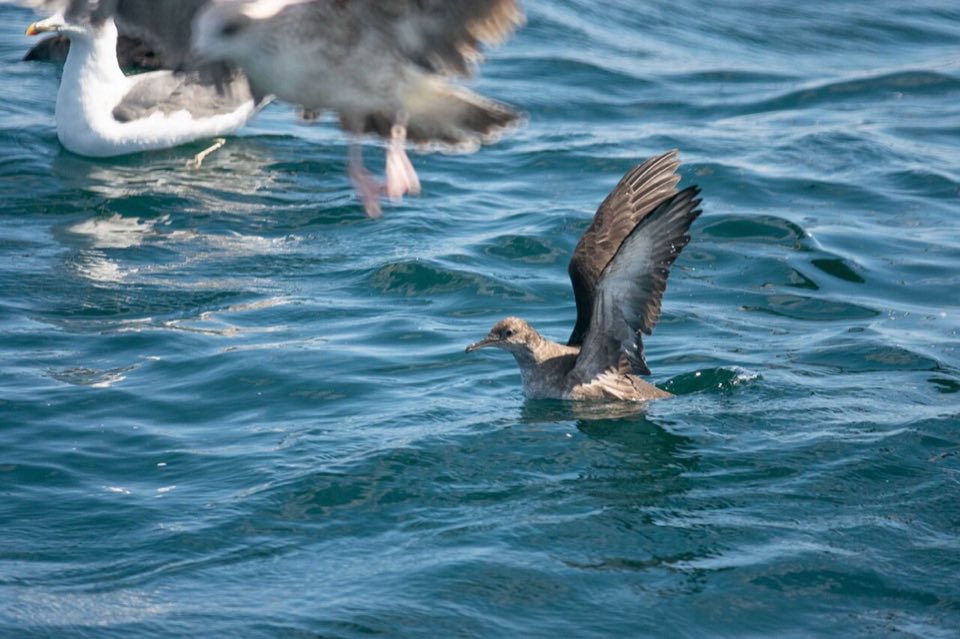
Balearic shearwater (Puffinus mauretanicus), Scopoli's shearwater, European storm petrel, Audouin's gull, Eleonora's falcon. Cabrera, Sa Dragonera, Benidorm island, Spain.
Best time: 15 Mar – 15 Jun (March to June). Where: Parque Nacional de Cabrera, Sa Dragonera (Parc Natural), Illa de Benidorm (Serra Gelada) (Spain). Time of day: Shearwaters and storm petrels arrive only after full dark, peaking 23:00–02:00.
- Partly on your own
- Entry fee
- Binoculars essential
- Sound 4/5
Open it in the interactive calendarSunrise and sunset listening times for the day you pick, and the map.
When is the best time?
Peak: 15 Mar – 15 Jun. Balearic shearwater March–June (Europe's most endangered seabird); storm petrels May–July
Active from 15 Feb to 30 Sep (February to September) in a typical year.
Time of day
Shearwaters and storm petrels arrive only after full dark, peaking 23:00–02:00; gull colonies and Eleonora's falcons by day, best in the first 3 h after sunrise before boat traffic.
- Colony return: 30 min after last light → 02:30
- Gulls and falcons: sunrise → 3 h after sunrise
What will you hear?
Hoarse, cackling Balearic shearwaters arriving to cliff burrows after dark, storm petrels purring in cave crevices, Audouin's gull colonies and Eleonora's falcons screaming over the sea in late summer.
Binoculars?
Binoculars essential. Shearwaters arrive in full dark (ears only); by day the gull and falcon colonies are on cliffs seen from the boat — binoculars.
Where to go
- Parque Nacional de Cabrera — Day boats from Colònia de Sant Jordi; the refuge and the harbour anchorage (permit, limited nights) are the only ways to be there after dark. Map
- Sa Dragonera (Parc Natural) — Day boats from Sant Elm; Balearic shearwater and storm petrel colonies on the sea cliffs, no overnight. Map
- Illa de Benidorm (Serra Gelada) — One of the Mediterranean's largest storm petrel colonies in a sea cave; the island is a nature reserve with day boats from Benidorm. Map
How to go on your own, and what it costs
Cabrera: day boats from Colònia de Sant Jordi (advance booking); the park refuge (book with the national park) or a harbour anchoring permit are the only ways to be there after dark. Sa Dragonera: day boats from Sant Elm, no overnight. Benidorm island: day boats from Benidorm. Storm-petrel caves are off limits — hydrophone or long shotgun from a boat.
Cost: Boat fares and refuge/anchoring permits (check current prices).
Free or no-guide alternative: Free from the mainland: at dusk from Cap de ses Salines (south Mallorca) or the Cap de Formentor headland, Balearic and Scopoli's shearwaters raft offshore in their hundreds before flying to the colonies — a scope job, no night chorus.
Field-recording notes
Night access is the constraint everywhere: Cabrera's refuge (book through the national park) is the one legitimate way to sleep on a colony island; anchoring overnight needs a park permit and is limited to the harbour. Storm petrel caves are off limits — hydrophone or long shotgun from a kayak or the boat. Summer pleasure-boat noise is heavy until late evening.
Sources
- MITECO – Parque Nacional de Cabrera: normas de visita
- MITECO – Parque Nacional Archipiélago de Cabrera
Similar spectacles
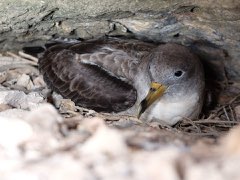 Shearwater colonies at night, Lastovo archipelagoScopoli's shearwaters wailing and cackling overhead and from burrows — the 'crying baby' chorus of Mediterranean islets; Yelkouan's higher nasal calls; waves on rock, cicadas fading at dusk.
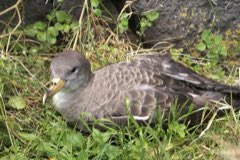 Berlengas: Cory's shearwaters calling over the island at nightHundreds of Cory's shearwaters wailing and sobbing over the island in the dark — the Atlantic's strangest chorus — with the yellow-legged gull colony grumbling, shags croaking on the ledges and the swell in the sea caves. On the mainland, the same birds raft silently off Cabo Carvoeiro at dusk.
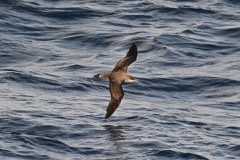 Raso and Branco — Cape Verde shearwater islets and the Raso larkA Macaronesian petrel night in the tropics: thousands of Cape Verde shearwaters wailing and cackling as they come in off the sea, the rush of wings down the canyons close overhead, geckos chirping into the small hours, tropicbird screams by day. No people, no engines, no lights.
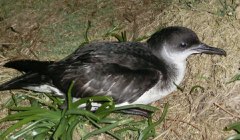 Manx shearwaters returning at nightHundreds of thousands of birds crashing in, with cackling, choking, hoarse calls from the air and burrows all around you.
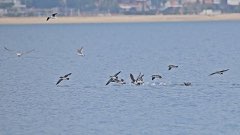 Scopoli's & Yelkouan shearwater coloniesScopoli's 'crying baby' wails from thousands of birds arriving over cliffs — one of the Mediterranean's strangest sounds.
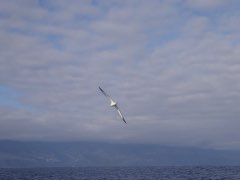 Zino's petrel calling over Pico do Arieiro at nightOne of Europe's rarest sounds: the long, mournful, tawny-owl-like moan of Zino's petrels circling the summit ridge in the dark, answered from the nesting ledges, with the occasional whimper and the quieter cackle of Manx shearwaters lower down — above a sea of cloud, in total silence otherwise.
More: all spectacles in Spain · shearwaters · seabird colonies · Spain in March · Spain in April · Spain in May · Spain in June